
Call 0207 553 5000(International +44 (0) 207 553 5000)

Pay by card 0207 553 5000
(International +44 (0) 207 553 5000)
(Ireland 1800 849 035)
Pay via phone 0907 004 0075
Calls cost £1.50/min plus your network access charge.
Readings are for entertainment only. 18+.
Economic Uncertainty and Ethical Living: Navigating the Cost-of-Living Crisis with Spiritual Wisdom
In recent years, economic uncertainty and the rising cost of living have become pressing issues in the UK, impacting millions of households. As individuals grapple with financial instability, finding ways to navigate these challenges while maintaining ethical living standards has become more crucial than ever.
How do you find a spiritual approach to living simply and ethically?
We will explore this topic to find a meaningful framework for managing economic difficulties, drawing on principles of;
- gratitude,
- contentment,
- the ethical use of resources.
The cost-of-living crisis in the UK is characterized by rising inflation, increasing housing costs, and stagnating wages, all contributing to financial strain for many families. Essential expenses such as food, energy, and transportation have surged, leaving individuals and households struggling to make ends meet. In this context, the concept of ethical living might seem challenging, but it also presents an opportunity to re-evaluate our relationship with material wealth and consumption.
The Spiritual Approach: Living Simply and Ethically
Spiritual traditions across the world advocate for a lifestyle of simplicity, moderation, and ethical responsibility. These principles can be particularly relevant in times of economic uncertainty. Let’s delve into how these spiritual concepts can be applied to contemporary living.
Gratitude: Cultivating an Abundance Mindset
In times of financial stress, it’s easy to focus on what we lack. However, practicing gratitude shifts our perspective from scarcity to abundance. By regularly acknowledging and appreciating what we have—whether it’s a roof over our heads, a warm meal, or the support of loved ones—we cultivate a sense of contentment and resilience.
Gratitude can also encourage us to recognize the non-material wealth in our lives, such as relationships, health, and personal growth. This shift in focus can reduce the pressure to constantly acquire more, fostering a more sustainable and ethical lifestyle.
Contentment: Embracing Simplicity
Contentment is the spiritual antidote to the relentless pursuit of more. It encourages us to find joy and satisfaction in the present moment, regardless of external circumstances. By embracing simplicity, we can reduce unnecessary consumption and live more sustainably.
Living simply doesn’t mean depriving ourselves of comfort or joy. Instead, it involves making mindful choices about what truly adds value to our lives and letting go of excess. This can include decluttering our homes, simplifying our schedules, and prioritising experiences over possessions. As we reduce our dependency on material goods, we not only save money but also contribute to a healthier planet.
Ethical Use of Resources: A Stewardship Approach
From a spiritual perspective, we are often seen as stewards of the Earth, responsible for using resources wisely and ethically. This involves being mindful of our consumption patterns and making choices that reflect our values. Simple examples might include;
- Sustainable Consumption: Opting for sustainable and ethically produced goods, supporting local businesses, and choosing products with minimal environmental impact.
- Reducing Waste: Practicing the three R’s—reduce, reuse, and recycle. This not only conserves resources but also reduces expenses.
- Sharing and Community: Embracing communal living approaches, such as sharing resources, bartering, and participating in community support networks, can alleviate financial pressures and foster stronger social bonds.
Practical Steps for Ethical Living Amid Economic Uncertainty
- Budget Mindfully: Create a budget that aligns with your values. Prioritise essential expenses and allocate funds for charitable giving and community support where possible.
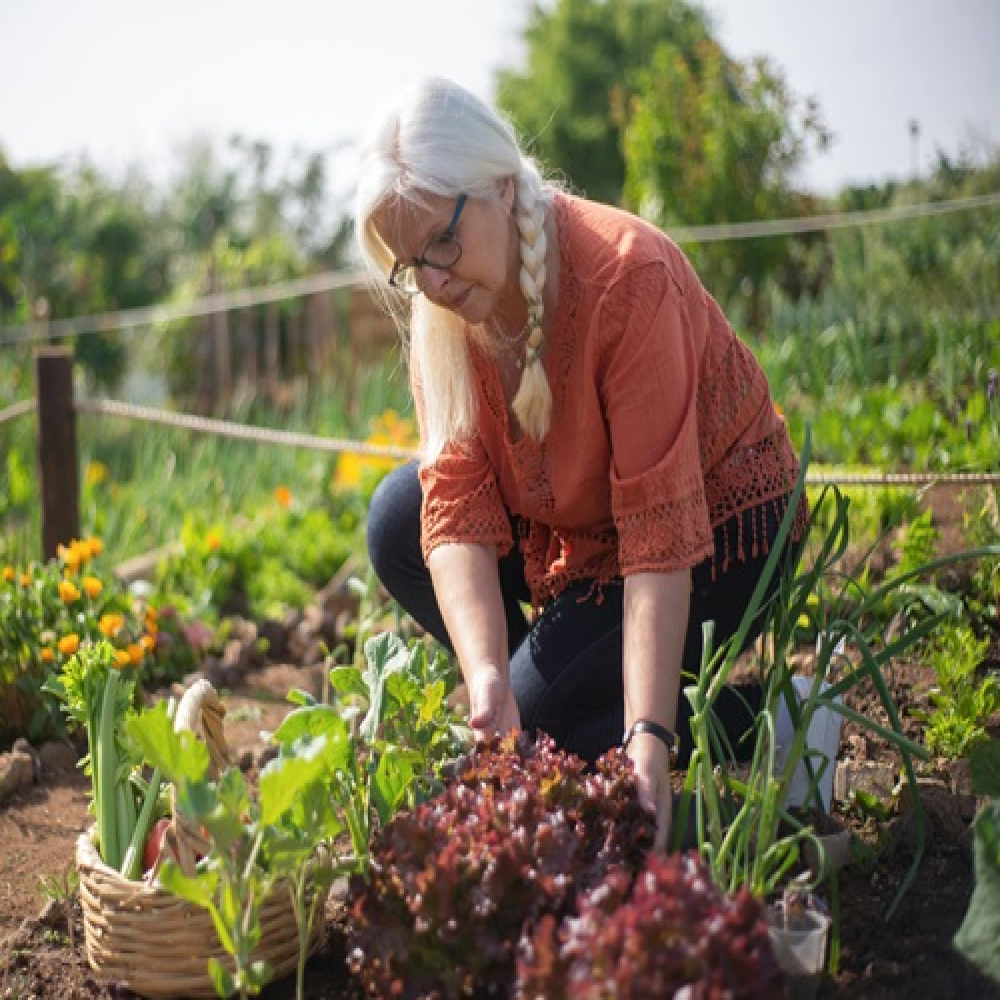
- Grow Your Own Food: If you have space, consider growing your own vegetables or joining a community garden. This not only reduces grocery bills but also promotes self-sufficiency and a connection with nature.
- Volunteer and Give Back: Offering your time and skills to help others can create a sense of purpose and community. Volunteering also provides opportunities to learn new skills and network with like-minded individuals.
- Mindful Purchasing: Before making a purchase, ask yourself if it’s truly necessary and if there’s a more ethical or sustainable option available.
Economic uncertainty challenges us to re-evaluate our priorities and make conscious choices that reflect our deepest values. By embracing gratitude, contentment, and ethical use of resources, we can navigate financial difficulties with grace and integrity. This spiritual approach to living simply and ethically not only helps us cope with economic challenges but also contributes to a more just and sustainable world.

Special Offers
Sorry, there are currently no special offers, but please check back soon!

Free Tarot Reading
Do you have a question that’s been bothering you or a situation that’s making you uncertain? Why not try our free card reading service? Write your question in the box and click the button to get your reading.
Want to know more?
Call 0207 553 5000 to speak to our gifted psychics...

Join millions who have already received guidance.
Become a Crystal Circle member today!
Sign up for news, insights and offers
GET STARTEDAll readings are for entertainment purposes only