
Call 0207 553 5000(International +44 (0) 207 553 5000)

Pay by card 0207 553 5000
(International +44 (0) 207 553 5000)
(Ireland 1800 849 035)
Pay via phone 0907 004 0075
Calls cost £1.50/min plus your network access charge.
Readings are for entertainment only. 18+.
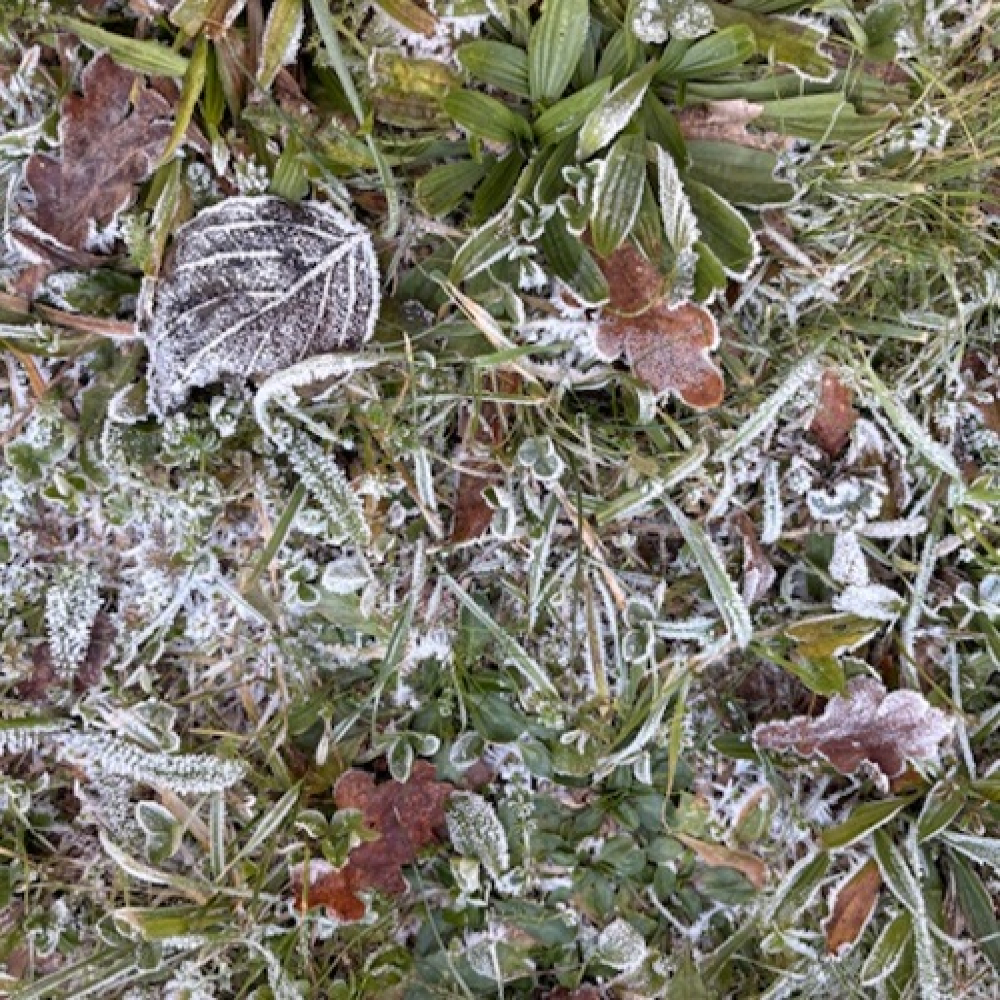
How Nature Responds to Extreme Cold
Across large parts of Europe, recent weather has been unusually cold.
A polar air mass has travelled far beyond its typical range, bringing sustained frost to regions unaccustomed to it. Night-time temperatures have dropped sharply for days at a time. Even well-insulated homes have felt the cold settle in.
Sustained cold presents challenges. For warm-blooded animals, for plants and for people. Yet it also reveals something quieter about how life responds when conditions become demanding.
When cold reshapes the landscape
Hard frosts transform the familiar.
Ice traces delicate patterns along stems and leaves, revealing shapes usually overlooked. Brown autumn leaves stand out sharply against white frost. Ponds freeze. Fields harden. Movement slows.
And still, life adapts.
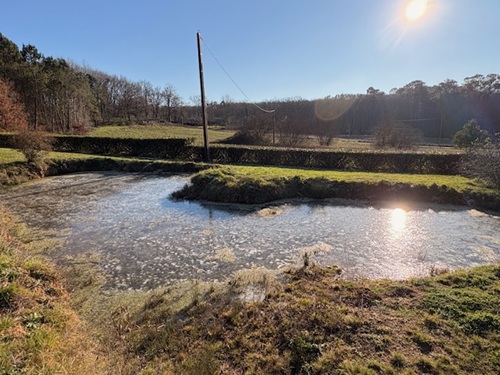
In many frozen ponds, small openings remain. Fish and amphibians continue to move beneath the surface. What appears inhospitable often contains subtle forms of protection.
Extreme cold does not eliminate life. It reshapes it.
Quiet strength beneath the surface
Periods of sustained cold strip away excess.
Growth pauses. Energy turns inward. What remains is what is essential. Landscapes shaped by stone, soil, and long continuity often reveal a steady resilience that persists even when balance is temporarily disrupted.
Nature does not rush to correct itself. It holds. It conserves. It waits.
This response may lack drama, but it is effective.
Living with responsiveness rather than resistance
Unusual winter conditions often bring closer interaction between humans and the natural world. Animals seek shelter. People adjust routines. Shared spaces take on new significance.
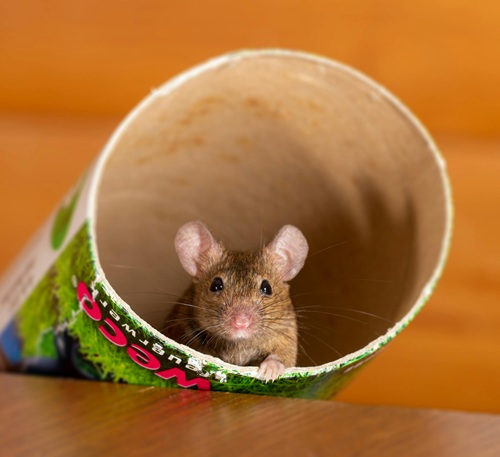
During the coldest nights, a small field mouse took shelter inside the house.
He stayed out of sight during the day, then moved quietly once the house settled. It wasn’t an intrusion so much as a temporary sharing of warmth.
When conditions improve, experience suggests he will leave as silently as he arrived. Until then, coexisting felt like a practical response rather than a problem to solve.
At such times, cooperation matters more than competition. Comfort can be shared without loss. Small acts of accommodation help systems — human and natural — endure until conditions soften.
Resilience, in this sense, is not about resistance. It is about responsiveness.
✨ Practice for the week
Notice one small way resilience is showing up around you — in nature, in your home, or in yourself. Observe what continues, adapts, or quietly endures.
✨ Final reflection
Nature meets extreme conditions without panic. It adjusts, shelters, and waits. There is wisdom in that restraint — and guidance for meeting difficulty with steadiness and care.
Special Offers
Sorry, there are currently no special offers, but please check back soon!

Free Tarot Reading
Do you have a question that’s been bothering you or a situation that’s making you uncertain? Why not try our free card reading service? Write your question in the box and click the button to get your reading.
Want to know more?
Call 0207 553 5000 to speak to our gifted psychics...

Join millions who have already received guidance.
Become a Crystal Circle member today!
Sign up for news, insights and offers
GET STARTEDAll readings are for entertainment purposes only